
There Is No Single Best AI Cloud Architecture
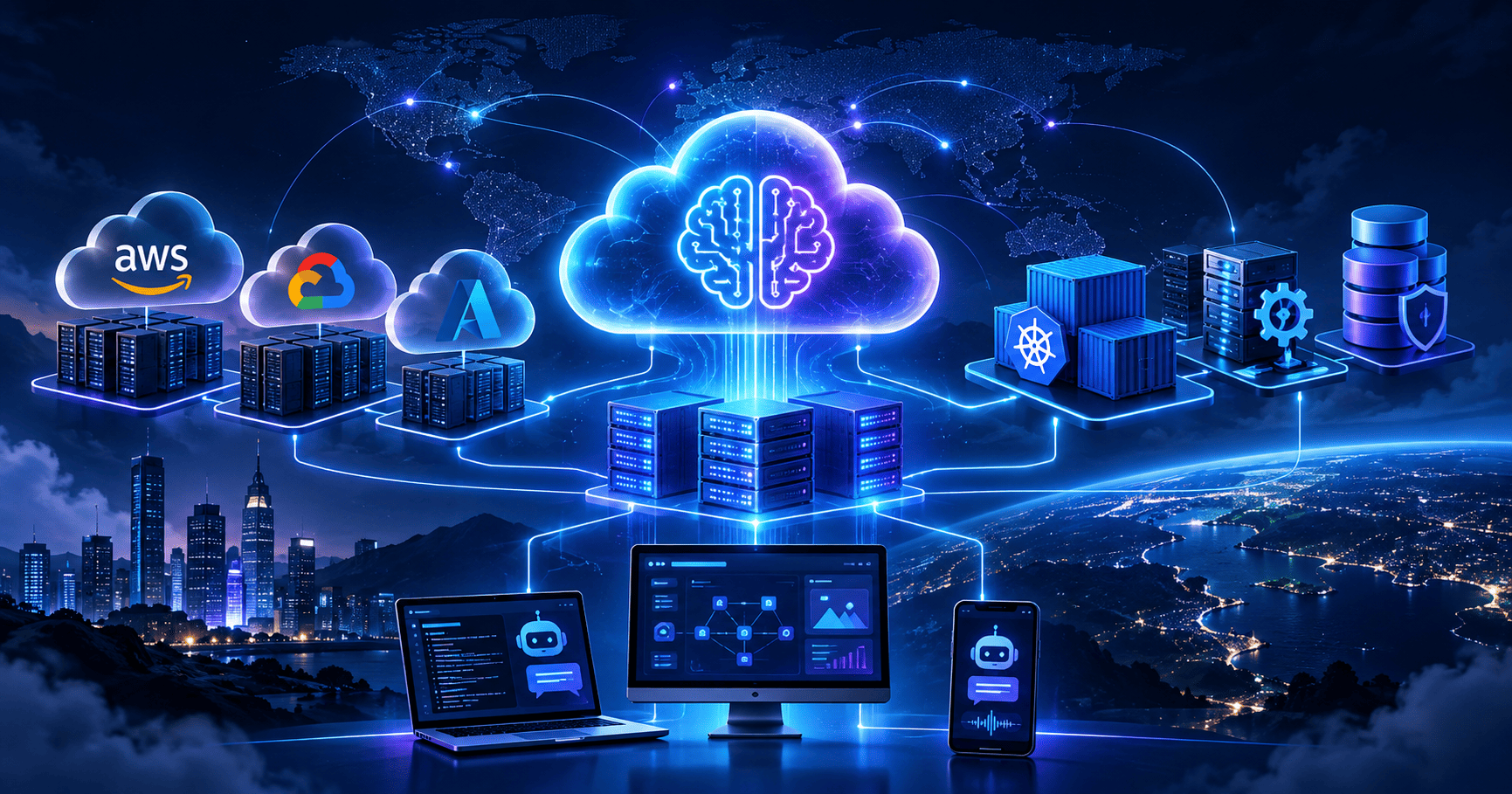
AI products can use managed model APIs, dedicated services, containers, serverless functions, databases, object storage, queues, and specialized compute. The right combination depends on workload and business requirements.
Evaluate These Factors
- Latency requirements
- Expected workload and scaling pattern
- Data security and residency
- Model availability
- Observability
- Infrastructure cost
- Deployment and operational complexity
Start Simple
Early products often benefit from managed services and a modular backend rather than an unnecessarily complex infrastructure stack. As usage grows, teams can optimize individual bottlenecks using queues, caching, containers, specialized compute, or additional services.
Cloud architecture should evolve with measurable requirements instead of assumptions about future scale.


Leave a comment
Share your thoughts about this story. We’ll review messages before they appear publicly.